If you're exploring ways to enjoy CBD in coconut milk drinks, you're on the right track to combining two nourishing ingredients that complement each other well. Coconut milk, rich in fats, acts as a fantastic carrier for cannabinoids, enhancing their bioavailability. However, the treatment of your CBD tincture during preparation can make all the difference in potency and flavor. So, can you add CBD tincture to your warm milk drink without destroying its benefits by overheating? Let’s dig in.
Understanding CBD and Heat Sensitivity
CBD, or cannabidiol, is a delicate compound requiring thoughtful handling. One common mistake is adding CBD tinctures directly to high-heat beverages or boiling liquids.
Why is this an issue? Heat degrades sensitive cannabinoids and aroma compounds — the very things that provide CBD’s benefits and pleasant flavor. Excessive heat can lower effectiveness, leaving you with a disappointing dose despite your efforts.
For example, Joy Organics, a leader in quality CBD tinctures, emphasizes gently incorporating CBD off the burner or after the drink has cooled slightly to preserve the integrity of the cannabinoids.
How Heat Affects Cannabinoids and Aroma Compounds
- Decarboxylation vs. Degradation: While raw hemp extracts require decarboxylation (applying some heat) to activate cannabinoids, already processed CBD tinctures are sensitive to excess heat, leading to degradation rather than activation. Aroma compounds: Terpenes and flavonoids that give each hemp strain unique flavor profiles can evaporate or chemically change with prolonged heat exposure. Optimal storage analogy: Just like Joy Organics packages their tinctures in an amber glass bottle to protect from UV light and oxidation, your preparation methods must also aim to minimize damage from heat.
Why Coconut Milk is Ideal for CBD
Coconut milk is a highly advantageous base when combining with CBD because it contains fat—the perfect natural carrier for cannabinoids. The fat molecules help dissolve and protect CBD during digestion, improving absorption.
Fat-based carriers and CBD: Fat enhances the bioavailability of cannabinoids because these compounds are lipophilic, meaning they bind well with fats.
This explains why you often see CBD tinctures formulated in an oil base instead of watery solutions. When added to a fat-containing beverage like coconut milk, the CBD distributes more uniformly, giving you consistent dosing across your drink.
Best Practices for Adding CBD to Coconut Milk Drinks
Prepare your coconut milk beverage first: Whether you’re making a warm milk drink CBD enthusiasts favor or an iced coconut latte, start by heating or preparing the coconut milk. Remove from the burner or heat source: When the liquid is warm but not boiling, take it off the heat. Add CBD tincture after it cools slightly: Use a dropper with fill lines — this ensures accurate dosing without guesswork. Gently stir the tincture in. This preserves cannabinoids and aroma compounds. Use amber glass bottles and proper storage: Just as Joy Organics recommends, store your tinctures properly to keep them fresh until use.Tip: If you want a warm milk drink CBD infusion, aim for no more than 120°F (about 49°C) when adding the tincture. Higher temperatures can begin degrading cannabinoids.
Why Avoid Adding CBD Directly to Boiling Coconut Milk
Boiling temperatures are typically around 212°F (100°C), far above what cannabinoids can withstand without degradation. Adding tincture drops directly into boiling coconut milk results in diminished potency and may alter flavor quality unfavorably.
Also, tossing CBD drops into boiling drinks could encourage separation of the oil carrier, making the texture less pleasant. While some separation is natural chemistry — not an indication of a bad product — it can still affect your drinking experience.
Can You Add CBD to Water-Based Drinks?
Many new users attempt to add tinctures into water-only drinks like tea, juice, or plain water. Unfortunately, cannabinoids do not disperse well in water without fat or an emulsifying agent.
For effective dosing, either:
- Add a fat source (such as coconut milk, cream, or a teaspoon of MCT oil) before mixing in the CBD tincture Use specialized CBD products formulated for water solubility — these often feature nanoemulsified particles
Failing to add fat first can lead to uneven dosing and an unpleasant mouthfeel.
How to Measure Your Dose Accurately: Dropper with Fill Lines
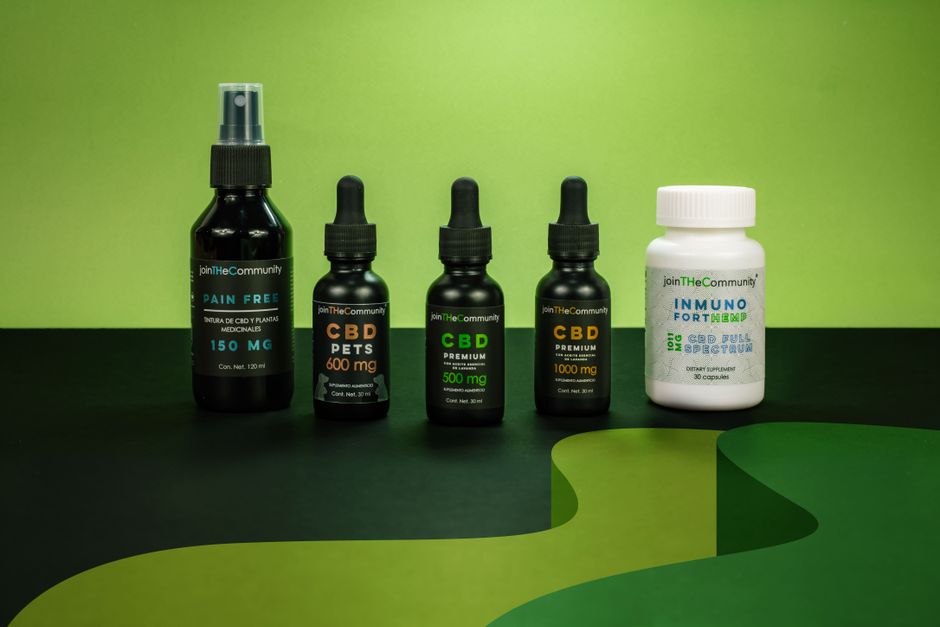
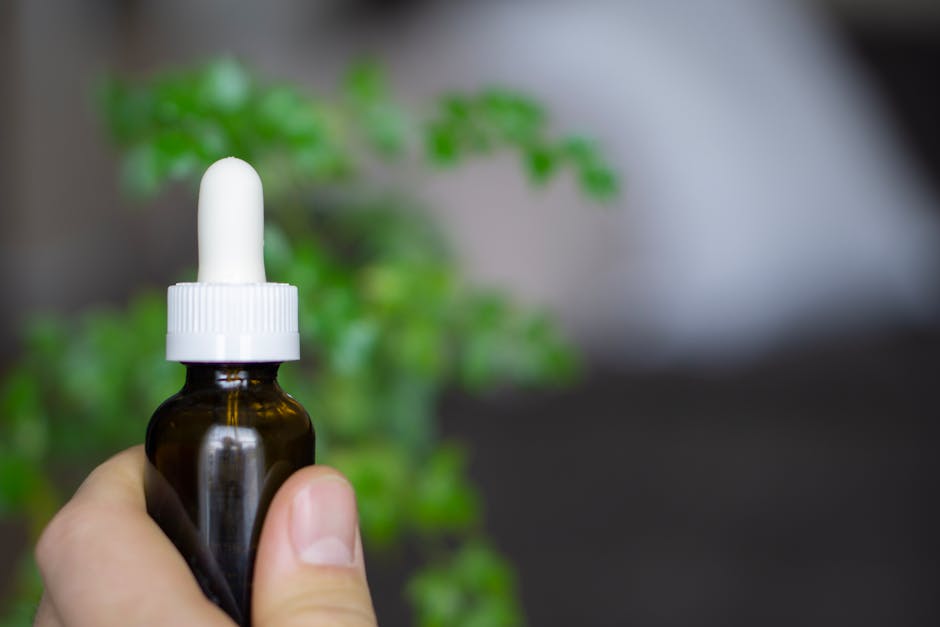
Many tinctures come with a dropper featuring fill lines marked in milliliters or drops. That said, there are exceptions. This simple tool is invaluable for making sure you add just the right amount olive oil CBD tincture cooking of CBD. Never “free pour” or rely on vague instructions like “add a dropper or two” without volume reference.
For instance, a 1 mL mark often delivers around 20 drops and a certain milligram (mg) of CBD, depending on tincture concentration. Doing the math beforehand, as I always recommend, ensures you know exactly how much CBD you’re ingesting — critical when balancing cost and effect.
Is Organic Certification Important?
When choosing your CBD tincture or coconut milk base, you might want to look for USDA certification under the National Organic Program (NOP). This certification indicates strict adherence to organic farming and processing standards, reducing pesticide residues and artificial additives.
Choosing organic coconut milk and CBD tincture ensures cleaner ingredients and a better overall experience, especially for those sensitive to additives or seeking premium quality.
Analytics Insight: Tracking Your Results
If you’re serious about optimizing your warm milk drink CBD routine, consider logging your experiences with tools like Google Analytics — yes, even for personal use! By tracking variables such as dose size, timing, heat temperature, and subjective effects over multiple sessions, you can scientifically approach what works best for your body.
An ongoing records approach (whether on paper or digital apps) helps avoid guesswork and refines your CBD coconut milk rituals over time.
Summary Table: Dos and Don’ts When Adding CBD to Coconut Milk Drinks
Do Don't Use coconut milk or another fat-containing base Add tincture directly to boiling liquid Add the CBD tincture off heat or after cooling slightly Mix tincture into water-only drinks without fat first Measure dosage accurately with a dropper with fill lines Rely on vague dosing instructions like “just add a dropper” Store tinctures in amber glass bottles to protect from light Use plastic or clear containers that degrade product quality faster Choose products compliant with USDA organic standards when possible Ignore product source and quality certificationsFinal Thoughts
Adding CBD tincture to coconut milk drinks is a smart way to enjoy improved absorption and richer flavor profiles — but only if you handle your tincture with care. To preserve cannabinoids and aroma compounds, always add the CBD after removing your drink from heat, ideally when the temperature dips below 120°F. Measuring your dose with a dropper that includes fill lines ensures accuracy and helps you optimize your experience.
Remember, pure heat and oily separation aren’t your enemies but signals guiding better preparation. Trust reputable companies like Joy Organics, who package in amber glass bottles and prioritize organic certification. Use good storage practices, track your results, and enjoy your warm milk drink CBD rituals fully.
Happy brewing!